An under-deck drainage system does not, by itself, cause wood rot. Wood rot develops when decay fungi have suitable conditions, including enough moisture in the wood for long enough. A drainage system can help manage rainwater, but its effect on the deck framing depends on where it collects water, how it is installed, and whether the joists can dry after they get wet. The U.S. Forest Service identifies moisture as a key condition for wood-decay fungi. US Forest Service Research and Development
This question is especially important if you are adding a system beneath an existing deck. The visible ceiling may look clean and dry while the framing above it still needs attention.
Why do deck joists get wet?
Most deck boards have gaps between them. Rain and snowmelt pass through those gaps and can reach the joists that support the deck. Water may also enter around edges, posts, or the connection to the house. Outdoor framing is expected to encounter weather; the concern is repeated or prolonged wetting without adequate drying.
A drainage system changes the path that rainwater takes. Some collect it before it reaches most of the framing. Others collect it below the framing, after water has passed through the deck boards and joist area. Trex RainEscape
Does the system’s position matter?
Yes, but position alone does not tell the whole story.
An above-joist system sits beneath the deck boards and above the joists. Its drainage layer intercepts water early and directs it toward an outlet. Proper detailing still matters: water needs to enter the intended drainage path and leave the deck without collecting at connections or edges.
A below-joist system sits beneath the framing. Rain may wet joists before it lands on the drainage panels. The key question is how that particular assembly manages water around the wood and allows the framing to dry. Below-joist products differ in their installation details, so it would be misleading to say that every such system causes rot. TimberTech
What actually creates a rot risk?
The risk rises when wood remains damp under conditions that support decay. The U.S. Forest Service notes that decay depends on moisture and other environmental conditions; research on above-ground wood also shows why cycles of wetting and drying matter. A joist getting rained on is therefore different from a joist that stays wet because water is pooling or drying is restricted. US Forest Service Research and Development
Possible trouble spots include:
- Water collecting on framing or drainage panels instead of flowing to an outlet
- A blocked or poorly placed gutter or downspout
- Leaks at edges, seams, posts, or the house connection
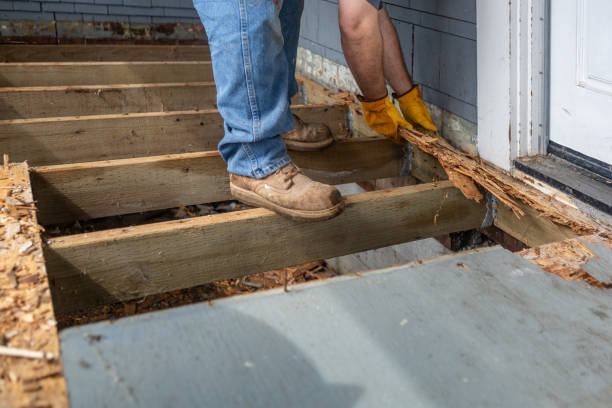
- Existing damage concealed when the underside is finished
- An installation that does not follow the system’s drainage and ventilation details
A drainage system should be assessed as a complete assembly, from the deck-board gaps to the final discharge point.
Can a system prevent wood rot?
No product should be described as a guarantee that wood will never rot. An above-joist system can reduce direct rain exposure to much of the framing when correctly installed. A below-joist system can divert water away from the space below, while its design must also account for framing that may get wet before the water is collected.
Neither approach repairs wood that has already deteriorated. Deck maintenance, sound construction details, and inspection remain important. The U.S. Forest Service describes moisture management and wood preservation as related parts of protecting wood in service. US Forest Service Research and Development
Where does ventilation fit in?
Drying deserves attention when a finished ceiling is placed beneath joists that can get wet. Air movement is one factor that can help moisture leave exposed wood, although drying also depends on weather, humidity, and the way the assembly is built.
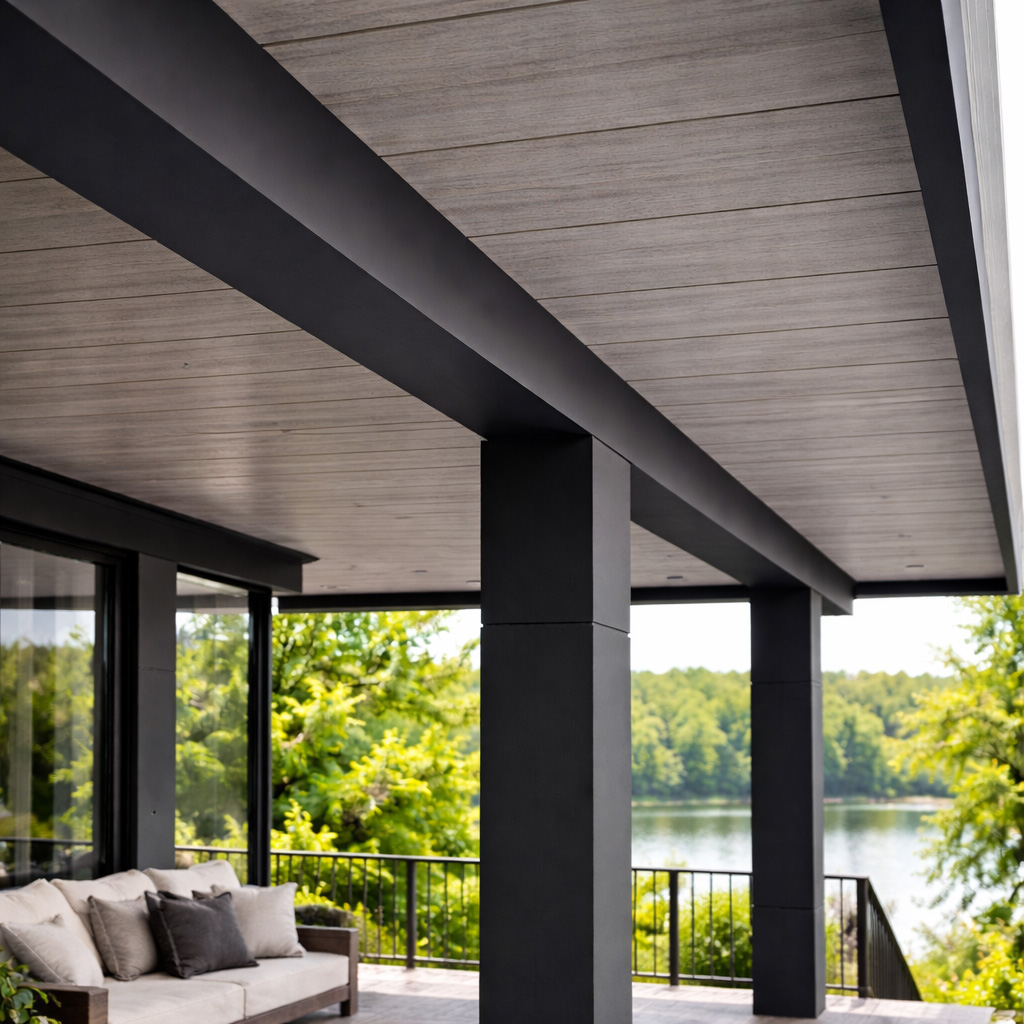
RainTeck is designed to combine undermount drainage with joist ventilation and a finished ceiling. That addresses a practical homeowner question: If the system catches water below the joists, what happens to moisture around the joists above it? The specific ventilation path and any performance claims should be explained using RainTeck’s approved technical documentation for the installed configuration.
What should you inspect before adding drainage?
Before covering the underside of an existing deck, have a qualified professional examine the joists and other structural components. Mention any spots that stay wet long after nearby wood has dried, visible deterioration, softness, sagging, or recurring leaks. These observations do not establish a diagnosis on their own, but they warrant a closer look before installation proceeds.
Once a system is installed, inspect the drainage outlet and watch how it performs during rain. If water backs up, drips from an unexpected location, or collects near the house, address the cause rather than simply covering the stain.
The takeaway
Under-deck drainage systems are meant to manage water, not create rot. The real question is whether the whole installation manages moisture around the framing: where rain is collected, whether it drains away, and whether wood that gets wet has a way to dry.
When comparing systems, ask the installer to explain that complete water path and inspect your existing deck first. That will tell you far more than a blanket claim that one type of drainage system is always safe or always harmful.
Sources
USDA Forest Products Laboratory. Biodeterioration of Wood (2021).
Trex RainEscape. Drainage for Existing Decks.
Trex RainEscape. Why Trex RainEscape.
USDA Forest Products Laboratory. Moisture in Above-Ground Wood.
USDA Forest Products Laboratory. Wood Handbook.
USDA Forest Products Laboratory. Wood Preservation (2010).