Yes, pressure-treated lumber can still rot. Treatment helps protect wood against decay fungi and certain insects, but it does not make the lumber waterproof or eliminate the need for sound construction and moisture management.
For deck joists, long-term performance depends on more than whether the wood was treated. The treatment must suit the exposure, vulnerable cuts need attention, and water should have a way to drain away so the framing can dry.
What does pressure treatment do?
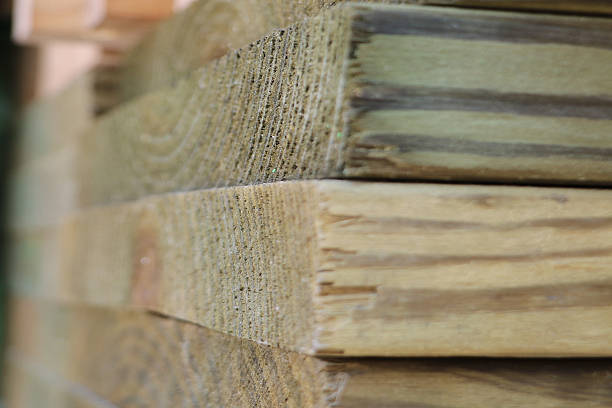
Pressure treatment introduces preservatives into wood to improve its resistance to biological damage. The protection depends on how deeply the preservative penetrates and how much remains in the lumber. Wood species and treatment methods also affect the result.
The U.S. Forest Service explains that adequate preservative penetration and retention are essential for long-term effectiveness. Treatment should therefore be understood as a protective measure, rather than a guarantee that every part of a board is equally protected. US Forest Service Research and Development
Treated lumber can still absorb water
Preservative treatment and water repellency serve different purposes. Some treated products include water-repellent additives, but the words “pressure treated” alone do not mean that rain cannot enter the wood.
Treated joists can become wet as rain passes through deck-board gaps. They can also respond to humidity, gaining and releasing moisture as outdoor conditions change. Wood’s moisture exchange depends on temperature, relative humidity, and the moisture already inside it. research.fs.usda.gov
A wet treated joist is not automatically rotting. Persistent wetness, particularly around vulnerable areas, deserves investigation.
Why might pressure-treated wood develop rot?
The treatment does not suit the exposure
Treated lumber is supplied for different service conditions. A product intended for above-ground exposure is not automatically suitable for ground contact or another demanding application.
The American Wood Protection Association’s Use Category System helps match treatment to the intended environment. Its homeowner guidance recommends checking the use-category designation on the lumber’s end tag rather than judging treatment by the wood’s color. awpa.com
For a deck project, have the builder confirm the appropriate treatment for each component. Location, drainage, exposure, and accessibility for repair can influence that choice.
Cuts expose less-protected wood
Preservatives do not necessarily penetrate evenly through an entire piece of lumber. Cutting, notching, or drilling can expose interior wood that has received less treatment than the outer zone. Heartwood can be particularly difficult to treat. US Forest Service Research and Development
Follow the lumber supplier’s instructions for field treatment. Manufacturer guidance commonly calls for applying an appropriate brush-on preservative to field-cut ends and drilled holes in exterior projects. Use the recommended product and follow its label; ordinary paint or stain should not be assumed to provide equivalent preservative protection. Treated Wood
Water collects in vulnerable locations
Joist tops, connections, and places where pieces of wood meet can be exposed to repeated wetting. Debris, leaks, or drainage that discharges onto the framing can add to that exposure.
Preservatives improve resistance, but the deck still benefits from construction details that reduce unnecessary moisture. The Forest Service describes moisture management, maintenance, construction practices, and preservatives as complementary ways to limit deterioration. research.fs.usda.gov
Existing damage goes unnoticed
A treated joist can develop deterioration that is difficult to see from the deck surface. Adding a ceiling beneath it may make inspection harder unless access is planned.
Before finishing the underside of an older deck, have questionable framing assessed. Treatment cannot restore strength already lost to decay.
How can you help protect treated deck joists?
Protect vulnerable surfaces
Joist flashing tape can add a water-resistant barrier to the tops of framing members when installed according to its instructions. It is generally easiest to apply before the deck boards go down.
Tape protects the surfaces it covers. It does not replace appropriate lumber treatment, ledger flashing, drainage, or inspection.
Give rainwater a clear route away
Under-deck drainage systems collect rainwater at different points in the assembly. Above-joist systems intercept water before it reaches much of the framing. Below-joist systems collect it beneath the joists.
For either approach, ask where the water goes after collection. Gutters and outlets should remain clear, and the discharge should avoid repeatedly wetting the framing or sending water back toward the house.
Account for drying
Treated wood still needs consideration of its moisture environment. When installing a ceiling or drainage panels beneath joists, ask how the assembly allows framing that gets wet to dry.
Air movement can support drying when surrounding conditions permit moisture to leave the wood. It cannot guarantee a particular drying time during humid or rainy weather.
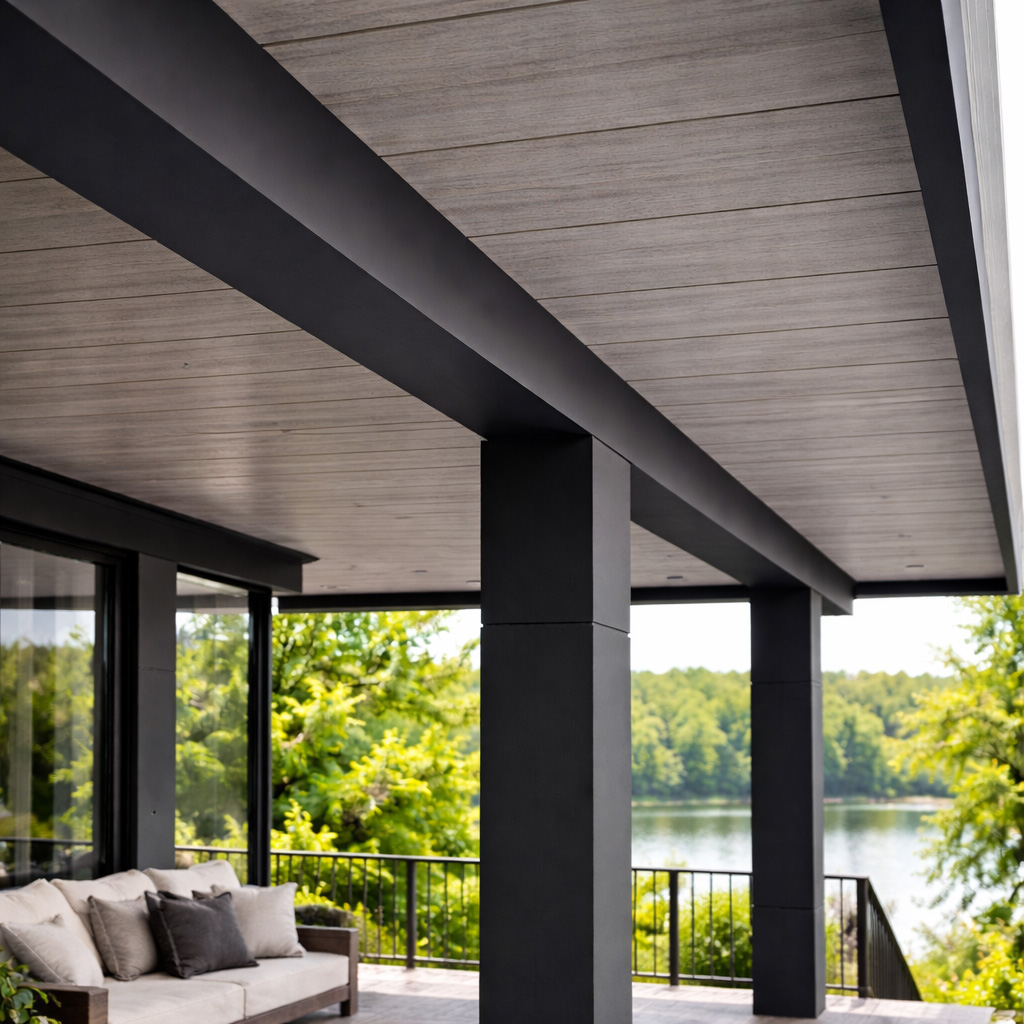
RainTeck is designed to combine undermount drainage with joist ventilation and a finished ceiling. Those functions should be evaluated together, with installation details confirmed for the existing deck.
How can you tell if treated lumber is rotting?
Look for soft or spongy wood, crumbling material, missing sections, or deterioration around connections. Persistent wet spots also warrant investigation, although moisture alone does not prove decay.
Color is not a reliable diagnosis. A dark stain may have another cause, while structural deterioration may be hidden beneath a sound-looking surface.
NADRA’s homeowner checklist identifies softness and other changes in wood condition as possible signs of decay and recommends professional deck evaluation. www.nadra.org
If you see sagging, separation, or visibly compromised supports, keep people off and away from the deck until it has been assessed.
Pressure-treated lumber provides valuable protection, but it remains wood. Choose treatment appropriate for the exposure, protect field cuts, manage runoff, and inspect the framing over time. Those measures work together to reduce the conditions that allow rot to develop.
Sources
USDA Forest Products Laboratory. Wood Preservatives (2021).
USDA Forest Products Laboratory. Wood Moisture Relations (2010).
American Wood Protection Association. Use Category System.
American Wood Protection Association. Treated Wood for Homeowners.
USDA Forest Products Laboratory. Wood Preservation.
Viance. Treatment and Installation FAQs.
USDA Forest Products Laboratory. Preservatives and Moisture Management.
NADRA. Check Your Deck Checklist.