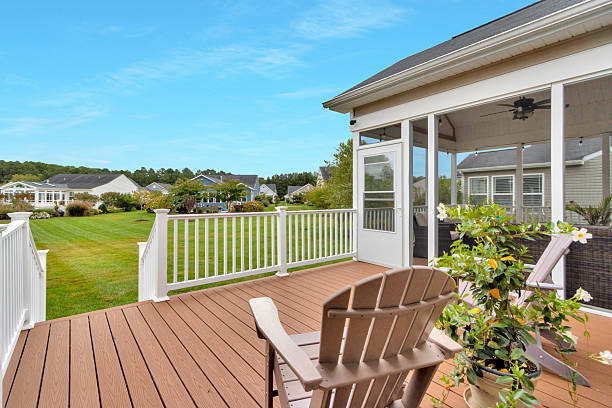
If you want to use the space beneath an elevated deck, you need a way to manage the rain that falls through the deck boards. Two common approaches are above-joist and below-joist drainage. Both aim to direct water away from the area below, but they collect it at different points in the deck structure.
That difference affects installation, exposure of the framing to rain, and the appearance of the finished space. Here is what homeowners should know before choosing a system.
What are deck joists?
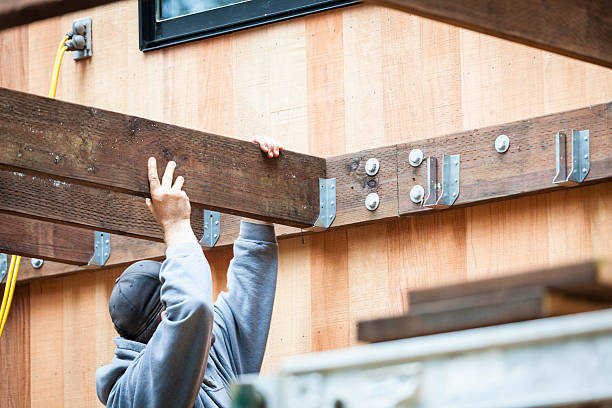
Joists are the horizontal framing members beneath the deck boards. They support the deck surface and span between other structural members, such as beams and a ledger. The terms above-joist and below-joist simply describe where the drainage system sits in relation to that framing.
| Above-joist drainage | Below-joist drainage | |
| Position | Over the joists, beneath the deck boards | Beneath the joists |
| When water is collected | Before it passes through the joist bays | After it passes through the deck boards and framing area |
| Existing deck boards | Typically need to be removed for installation | May be able to remain in place |
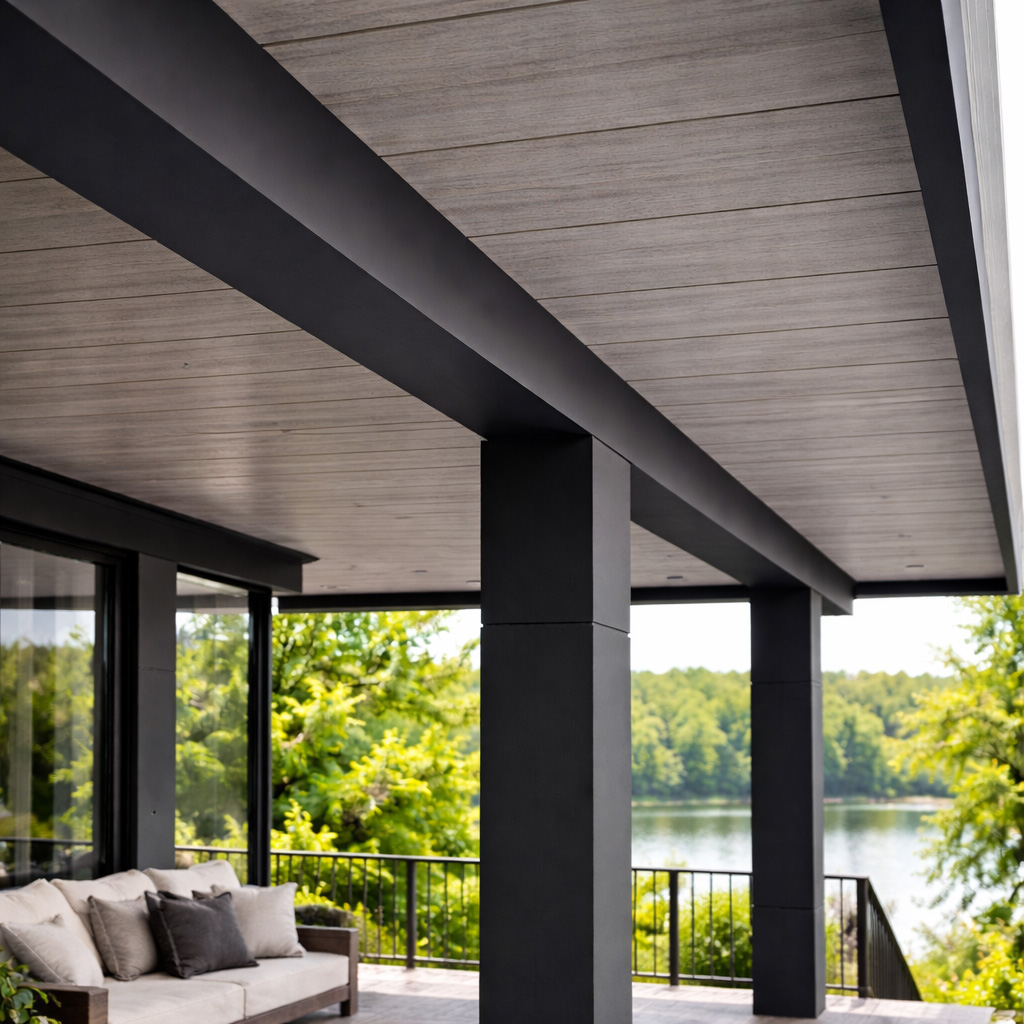
| View from below | Drainage can be concealed by a separate ceiling | Panels may also serve as the finished ceiling |
| Framing question to ask | How is the system sealed and detailed around the framing? | How can joists dry after they get wet? |
These are general differences. The installation instructions for a particular product determine how it works on a particular deck. FAQs
How does an above-joist system work?
An above-joist system sits directly beneath the deck boards. Water passing through the board gaps enters troughs or another drainage layer before reaching the space between the joists. The system slopes toward downspouts and a gutter, which carry the collected water away.
Its position is a significant consideration if you are building a new deck or replacing the decking on an existing one: the framing is exposed and the installer can put the drainage layer in place before the boards are fastened. Trex RainEscape is an example of this approach. Its guidance says the boards must be removed before the system can be installed on an existing deck. trexrainescape.com
If your current decking is in good shape and you want to keep it, removing and reinstalling boards adds work to the project. If you are already planning a major deck renovation, it may be a convenient time to consider above-joist drainage.
How does a below-joist system work?
A below-joist system is installed beneath the framing. Rain falls through the deck-board gaps, passes into the framing area, and lands on sloped panels or channels. Those components move the water toward a gutter or other outlet.
Working beneath the framing can make this approach appealing for an existing deck. For example, RainTecks system can attach to new or existing joists and be retrofitted to many existing decks. Its panels also create a finished ceiling appearance from below.
Because the drainage surface is below the joists, the framing may get wet before the water is collected. That does not, by itself, tell you how a specific system will perform over time. It does mean you should ask how the assembly allows the wood to dry. Wood’s moisture content changes with its surroundings, and prolonged moisture conditions are relevant to decay risk. research.fs.usda.gov
Which is better for an existing deck?
The answer depends on the deck and the work you are willing to do.
If you plan to keep the existing deck boards, a compatible below-joist system may allow installation from underneath. If you plan to replace the deck boards, both positions may be worth evaluating. Either way, an installer should first inspect the deck’s structural condition, framing layout, clearance below, and available route for draining water away.
A drainage system should not cover unresolved problems in the framing. Soft or deteriorated joists, damaged connections, and persistent water near the house need attention before the underside is finished.
What about ventilation?
This is an especially useful question when comparing below-joist systems. Water diversion keeps much of the rain from falling into the space below, while ventilation addresses air movement around framing that may have become wet. The two functions should be evaluated separately.
RainTeck is an undermount system designed to bring drainage, joist ventilation, and a finished ceiling together. Its woodgrain-streaked vinyl panels give homeowners a finished look beneath the deck. For any specific installation, the installer should confirm compatibility and explain the intended water path and ventilation details using RainTeck’s approved technical guidance.
An above-joist system approaches framing exposure differently by collecting water before it flows down through the joist bays. Neither position replaces good installation details or an appropriate place for the water to discharge.
Questions to ask before you choose
When speaking with an installer, ask:
- Will my deck boards need to come off?
- Has the existing framing been inspected?
- Where does rain enter the system, and where does it leave?
- What happens when water reaches the joists?
- How is the system sloped, and how will the outlet be maintained?
- Will I need a separate ceiling to get the look I want?
- Can the completed assembly be inspected if a problem develops?
The takeaway
Above-joist systems collect water before it reaches the joist bays. Below-joist systems collect it beneath the framing and may be easier to consider when keeping an existing deck surface. Both can help create a drier, more useful area underneath an elevated deck.
The right choice comes from looking at the whole project: the deck’s condition, installation access, the path water takes, the framing’s ability to dry, and the finish you want to see from below.
Sources
Trex RainEscape. Frequently Asked Questions.
Trex RainEscape. Waterproofing a New Deck.
USDA Forest Products Laboratory. Wood Moisture Relations (1999).
USDA Forest Products Laboratory. Wood Durability and Protection.