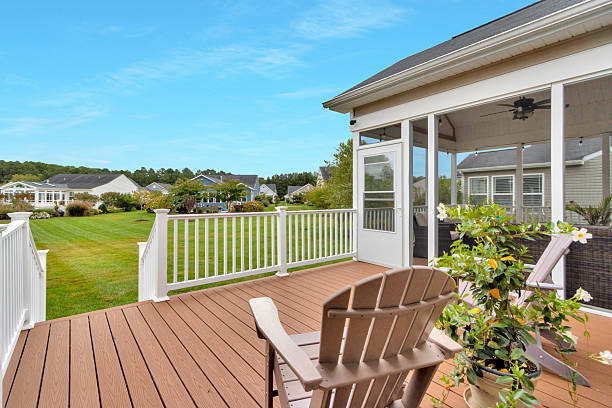
If you are planning to use the space beneath an elevated deck, cost is likely one of your first questions. The honest answer is that there is no single useful price for every under-deck drainage project. A quote depends on the deck’s size and condition, the system you choose, the work required to install it, and how you want the area below to look when it is finished.
It also matters what a quoted price includes. The drainage materials, installation, gutters, and finished patio may be separate parts of the project. Here is how to build a budget you can use to compare proposals.
What affects the cost of under-deck drainage?
1. The size and shape of your deck
A larger deck generally needs more drainage material and more installation labor. Shape matters, too. A simple rectangular deck may be more straightforward to fit than one with multiple sections, unusual angles, stairs, or posts that interrupt the drainage path.
Square footage is a useful starting point, but it does not capture every detail an installer needs to price the job.
2. Where the system is installed
Above-joist and below-joist systems involve different work.
An above-joist system goes beneath the deck boards and over the framing. If your deck is already built, the boards generally have to come off before installation. Trex RainEscape, for example, states that its system can be added to an existing deck, but the existing boards must be removed first. That removal and any associated decking work should be clear in the quote. trexrainescape.com
A below-joist system is installed from beneath the framing and may allow sound deck boards to remain in place. RainTeck is can be installed on a new or an existing deck.
If you are already replacing the deck boards, compare costs in the context of that larger renovation. If you plan to keep them, ask each contractor exactly what will be removed and reinstalled.
3. The condition of the existing deck
Before an installer covers the underside of an older deck, the framing should be assessed. Damaged joists, loose connections, or other structural issues may need repair before drainage components are installed. Those repairs are separate from the cost of the drainage system itself.
Ask for any needed deck repairs to appear as their own line items. This makes it easier to understand the price and avoids treating a necessary structural repair as an optional drainage upgrade.
4. Gutters and the discharge route
The system needs somewhere to send collected water. That may require a gutter, downspout, outlet components, or work to carry runoff away from the area beneath the deck.
Check whether the quoted price includes the complete route from the drainage panels to the final discharge point. Both above-joist and below-joist systems rely on properly planned water flow; a low material price is less helpful if key outlet work is missing from the proposal. Manufacturer guidance for these systems describes channels or troughs that direct water away from the area below. trex.com
5. The ceiling finish
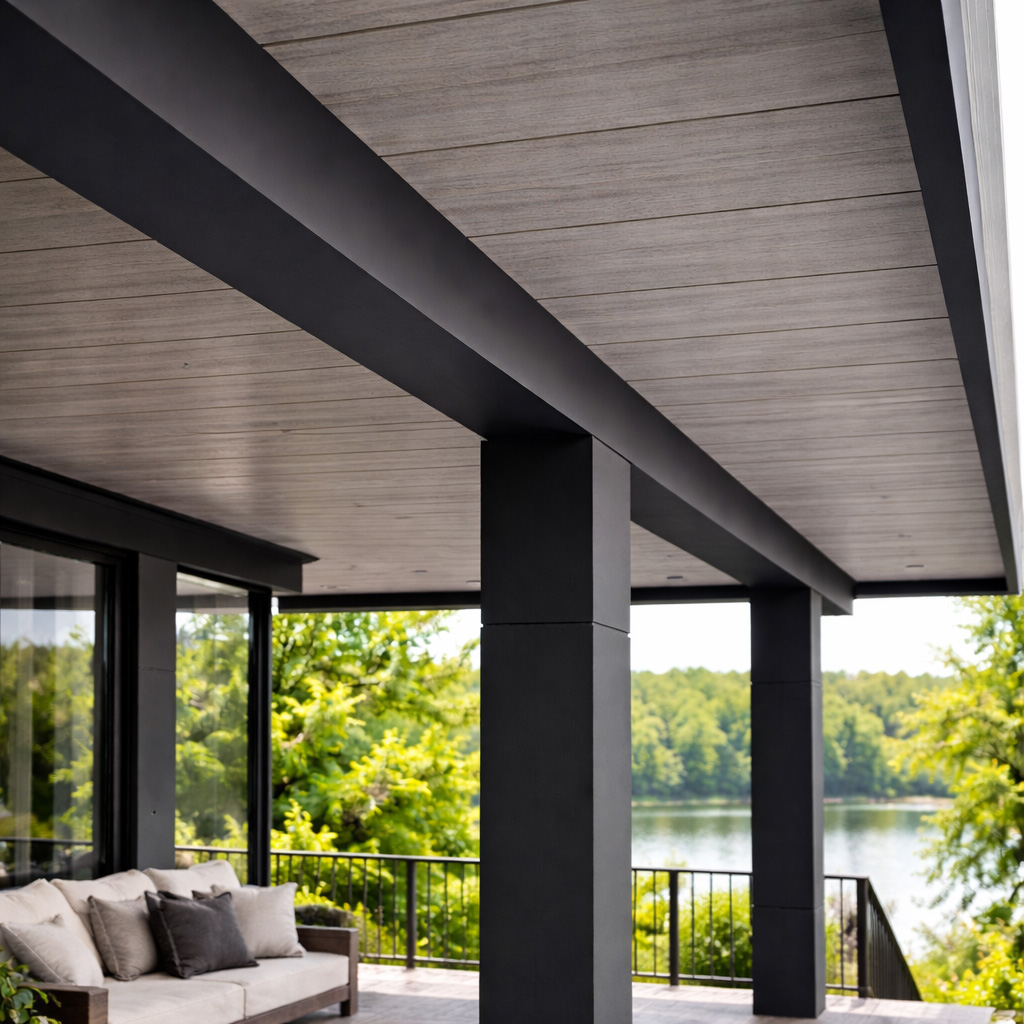
Some drainage products also create the visible ceiling beneath the deck. Others leave the drainage components above a separate ceiling that must be purchased and installed.
This can make two proposals look very different even when both include drainage. Ask to see what the space will look like at the quoted price. If you want a particular panel finish, color, or wood-look appearance, confirm that it is included.
RainTeck is designed to combine undermount drainage, joist ventilation, and a finished ceiling with woodgrain-streaked vinyl panels. A RainTeck quote should still spell out the selected finish, installation work, gutter components, and any other work needed for the particular deck.
6. The rest of the outdoor room
Drainage may be the first step toward using the space below, but it is rarely the entire project. Patio flooring, lighting, electrical work, furnishings, and landscaping can all be separate costs.
Keep those items in a different section of your budget. That way, you can compare the cost of making the overhead area drier with the cost of finishing and furnishing the space.
Is there an average cost per square foot?
You may find published prices expressed per square foot. Use them carefully. A figure may describe materials for one specific product, while your project also requires labor, gutters, deck-board removal, framing repairs, or a separate ceiling. For example, Trex RainEscape has published a materials-oriented per-square-foot figure in its cost guidance, but that figure should not be treated as a current installed price for other systems or for a complete outdoor room. trexrainescape.com
We have not included a RainTeck price range here because a reliable project estimate needs approved product pricing and a review of the deck. For budgeting, a written, itemized local quote will be more useful than applying a broad online average to your deck’s square footage.
How to compare under-deck drainage quotes
Ask each installer to quote the same scope. A useful proposal should identify:
- The drainage product and the area it will cover
- Whether deck boards will be removed or replaced
- Any framing repairs, listed separately
- The gutter, downspout, and water-discharge plan
- The ceiling finish included in the price
- Labor, materials, and any additional work
- What is excluded from the quote
- The applicable product and installation warranty terms
If one quote is much lower, check its exclusions before assuming it offers the same finished result.
The takeaway
The cost of an under-deck drainage system is shaped by more than deck square footage. Installation access, existing deck condition, water discharge, and ceiling finish can change the project substantially.
Start by deciding whether you want drainage alone or a finished under-deck space. Then request itemized proposals based on the same goal. You will get a clearer answer to “How much will it cost?” and a better sense of what you are paying for.
Sources
Trex RainEscape. Frequently Asked Questions.
Trex. RainEscape Under-Deck Drainage.
Trex RainEscape. Under-Deck Ceiling Cost.
Trex RainEscape. Drainage for Existing Decks.