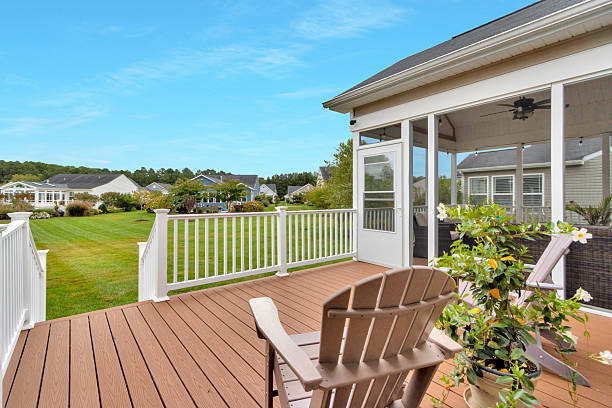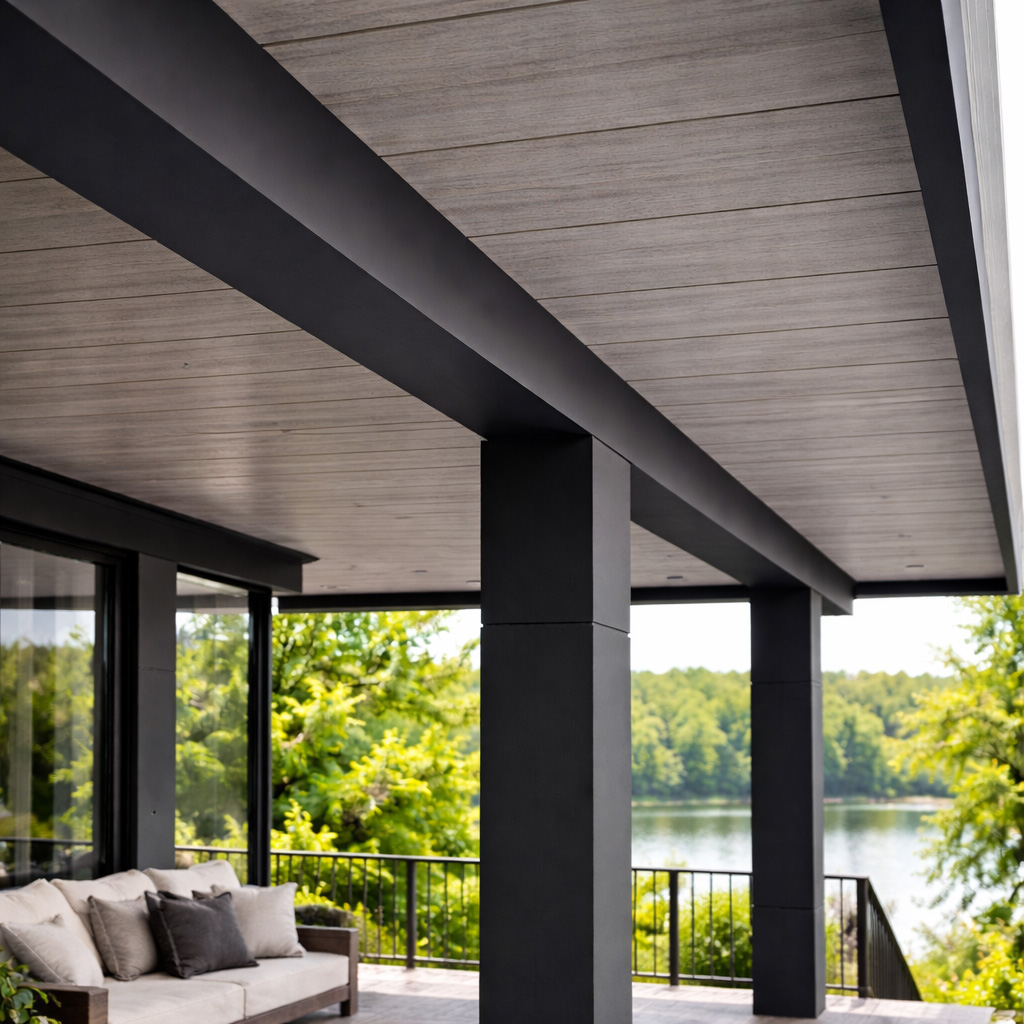
An under-deck drainage system can be worth it if you have an elevated deck and a clear plan for the space below. It can redirect much of the rain that passes through the deck boards, making a patio, seating area, or storage space more usable. Whether the investment makes sense depends on how often you would use that space, the condition of your deck, and the total cost of finishing the project.
Here is a practical way to decide.
What do you gain from under-deck drainage?
The most direct benefit is less water dripping through the deck onto the area below. A drainage system collects that water and channels it to an outlet. That can make it easier to use the deck’s footprint twice: once on top and again underneath. The space below might become an outdoor dining area, a sheltered place to sit, or a more practical location for weather-appropriate storage.
The value is personal. A homeowner who regularly wants to use a patio beneath the deck may benefit more than someone whose deck is low to the ground or whose under-deck area has little room to stand.
When is it most likely to be worth it?
An under-deck drainage system is worth a closer look when:
- Your deck is high enough to use the space below comfortably.
- Rain falling through the boards is the main thing preventing you from using that space.
- You already have a patio or plan to build one beneath the deck.
- You want a finished ceiling as part of the outdoor space.
- You are building a new deck or renovating an existing one, so drainage can be planned with the other work.
If the deck is already built, ask whether the system can be installed from below or requires removal of the deck boards. Some undermount products are designed for installation on existing joists; an above-joist system may make more sense during construction or a project that already involves removing the decking.
When might it make less sense?
Drainage may be a lower priority if you rarely use the space below, have very little clearance, or would need major structural repairs before installation. It may also disappoint if the real water problem comes from somewhere else.
For example, an under-deck system manages water falling through the deck. It cannot stop wind-driven rain entering from open sides or runoff flowing across a poorly drained patio. The U.S. Environmental Protection Agency recommends addressing gutters, downspouts, and ground drainage as part of moisture control around a home. US EPA
If the ground below remains wet after the deck stops dripping, solve that drainage issue as part of the plan.
Is the cost just the drainage system?
Usually, no. Think about the whole space you want to create. Your project budget may include:
- The drainage system and installation
- Gutters, downspouts, or other water-discharge work
- Inspection or repair of existing deck framing
- A separate ceiling, if the system does not provide the desired finish
- Patio flooring, lighting, furnishings, and landscaping
Ask for an itemized quote that separates these parts. One proposal may include a finished ceiling while another prices only the drainage components, making a simple comparison misleading.
RainTeck is designed to bring undermount drainage, joist ventilation, and a finished woodgrain-streaked vinyl ceiling into one system. When comparing it with other options, check the complete installed scope, including the selected finish and the route for discharged water.
Will it protect the deck framing?
Do not assume every system treats framing moisture the same way. An above-joist system collects water before it flows through much of the joist area. With a below-joist system, rain may reach the framing before it lands on the drainage panels. Ask how the chosen assembly manages both runoff and drying around the joists.
Moisture conditions matter to the long-term performance of wood, so this is a useful question even if your main goal is simply a drier patio. US Forest Service Research and Development
Does under-deck drainage increase home value?
It may make your outdoor space more appealing to you or to a future buyer, but there is no reliable universal return-on-investment figure for an under-deck drainage system. Home value depends on the property, local market, quality of the project, and how usable the finished space is.
A better first question is: Would I use the space enough to justify the total project cost? If the answer is yes, drainage can be a meaningful part of that improvement without relying on a resale-value promise.
A quick way to decide
Before requesting estimates, answer these four questions:
- What would I use the space beneath the deck for?
- Is overhead dripping the main obstacle, or are ground runoff and wind-driven rain problems too?
- Is my existing deck structurally sound?
- What would the complete, finished project cost?
If you have a useful space, a sound deck, and a plan for managing all the water sources, under-deck drainage may be a worthwhile investment. If those pieces are uncertain, start with an inspection and a project plan before choosing a product.
Sources
Trex RainEscape. Why Trex RainEscape.
U.S. EPA. Moisture Control Guidance.
U.S. EPA. Indoor Air Quality and Outdoor Environments.
USDA Forest Products Laboratory. Limiting Conditions for Wood Decay.
USDA Forest Products Laboratory. Moisture in Above-Ground Wood.