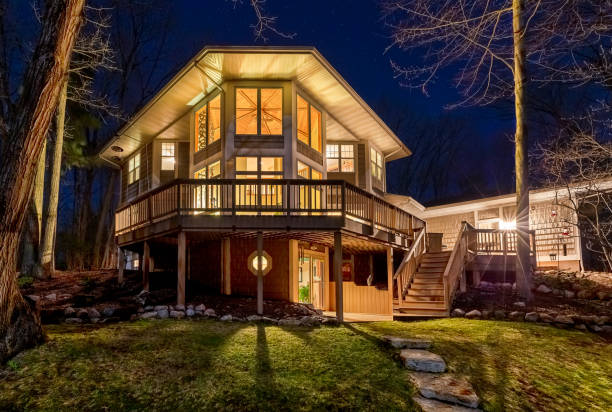
A roof can make a deck more comfortable and reduce its exposure to rain. But covering the deck does not remove it from the outdoor environment—or guarantee that its framing stays dry.
Yes, a covered deck still needs opportunities for air exchange and drying. Whether that requires added vents or mechanical ventilation depends on the construction. An open deck may already allow substantial airflow, while enclosed spaces and concealed joist cavities need closer attention.
The first step is understanding what the cover protects and where moisture can still reach the wood.
A Roof Reduces Rain Exposure but Does Not Control Humidity
A covered deck remains exposed to outdoor humidity. Wood absorbs and releases moisture in response to the surrounding air, with temperature, relative humidity, and the wood’s existing moisture content influencing that exchange.
The USDA Forest Products Laboratory explains that this moisture relationship affects wood’s properties and performance. A roof does not stop it.
Rain can also reach exposed edges during windy weather. When reviewing your deck, check the perimeter as well as areas directly beneath the roof. Note where water lands, where it collects, and whether the same locations remain damp afterward.
What Kind of Cover Does Your Deck Have?
“Covered deck” can describe different arrangements.
A roof above the walking surface helps shield the decking from direct rainfall. An under-deck drainage system collects water passing through the decking to create a sheltered area below. A finished ceiling conceals the framing and may be installed beneath a separate drainage system.
These features serve different purposes. When planning improvements, ask your installer to identify the protected surfaces and explain how water and air move through the complete assembly.
For example, an open seating area beneath a ceiling does not establish that outdoor air can reach the joists above it. The concealed space needs to be considered separately.
Why Airflow Still Matters
Air movement supports drying when conditions allow moisture to evaporate from wood. USDA guidance on air-drying lumber describes the importance of clear air passages and explains that temperature, humidity, and rainfall also influence drying rates.
That guidance concerns lumber drying rather than finished decks, but it provides a useful principle for deck planning: wood needs access to air, and outdoor conditions affect how quickly it dries.
Ventilation cannot guarantee a particular drying time. During humid weather, increased airflow may have less drying benefit than it does in warm, dry conditions.
Does Every Covered Deck Need Added Vents?
An open deck with exposed framing may already have effective natural air exchange. The relevant question is whether the design gives air access to the areas that become damp.
Additional planning becomes important when a project includes:
- A ceiling beneath the joists.
- Solid walls or enclosed storage.
- Skirting around the perimeter.
- Trim that closes openings into the framing cavity.
- Multiple connected spaces with limited outdoor openings.
These features do not automatically create a moisture problem. They do, however, change the layout your contractor needs to evaluate.
Ask where air enters, where it leaves, and whether beams or blocking separate portions of the cavity. One opening may not serve every space between the joists.
Will a Ceiling Fan Ventilate the Framing?
A ceiling fan can make the seating area more comfortable, but it may circulate air only below the finished ceiling.
If the joists sit above that ceiling, ask how air reaches them. A fan in the occupied space should not be treated as proof that the concealed framing is ventilated.
Where mechanical ventilation is proposed, have the installer explain its intended airflow path, equipment location, and maintenance access. Equipment should be selected for its installation environment and installed according to the applicable requirements.
Keep Water Management Part of the Plan
Ventilation is only one part of maintaining a covered deck. Recurring leaks, blocked outlets, and wet debris also deserve attention.
NADRA recommends checking areas that stay damp, locations around fasteners, and the ledger connection where the deck meets the house. Its checklist also calls for inspecting flashing that directs water away from vulnerable areas.
Observe the deck after rain from a safe location. Photos of repeated wet spots can help a contractor investigate the source. Keep accessible drainage outlets clear according to the system’s maintenance instructions.
Where RainTeck Fits
RainTeck combines undermount drainage with joist ventilation and a finished appearance using woodgrain streaked vinyl panels. That brings water collection and airflow around the framing into the same project discussion.
When planning an installation, review how the system fits your deck’s beams, blocking, perimeter details, and any proposed enclosure. Ask how the framing will remain accessible for inspection and how the ventilation components will be maintained.
Existing moisture or structural concerns should be evaluated before the framing is covered.
Check Covered Decks Regularly
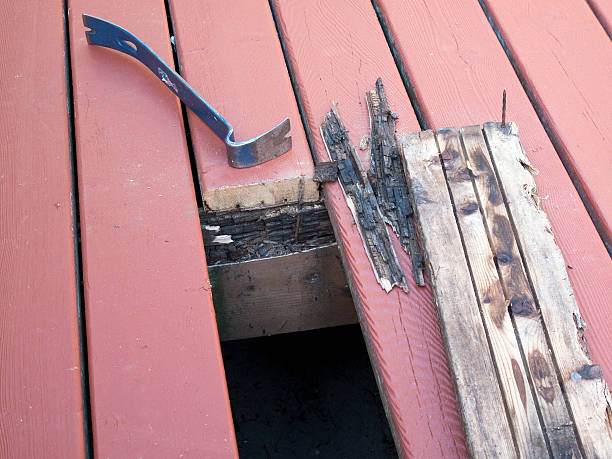
Overhead protection does not replace routine inspection. Watch for persistent dampness, changes in the wood, deteriorated connections, or unusual movement.
NADRA identifies soft or spongy wood, sagging, and compromised fasteners as concerns and recommends professional deck evaluation. If the deck appears unstable or structural framing is deteriorated, avoid using it and the area beneath it until it has been assessed.
A covered deck can provide a comfortable outdoor space while still allowing for drainage, air exchange, and future inspection. Considering those needs together helps homeowners plan a finished space they can maintain.
Sources
- USDA Forest Products Laboratory. Wood Moisture Relations.
- USDA Forest Products Laboratory. Air Drying of Lumber.
- NADRA. Check Your Deck Checklist.