

How to Keep the Area Under Your Deck Dry
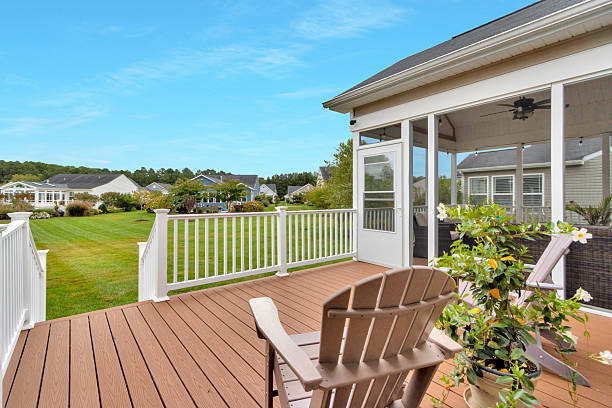
The space beneath an elevated deck can be a great place for outdoor seating, dining, or storage. There is one obvious obstacle: rain passes through the gaps between deck boards and drips into the area below. Keeping that space drier takes more than adding a ceiling. You need to know where the water is coming […]
What Is an Under-Deck Drainage System and How Does It Work?
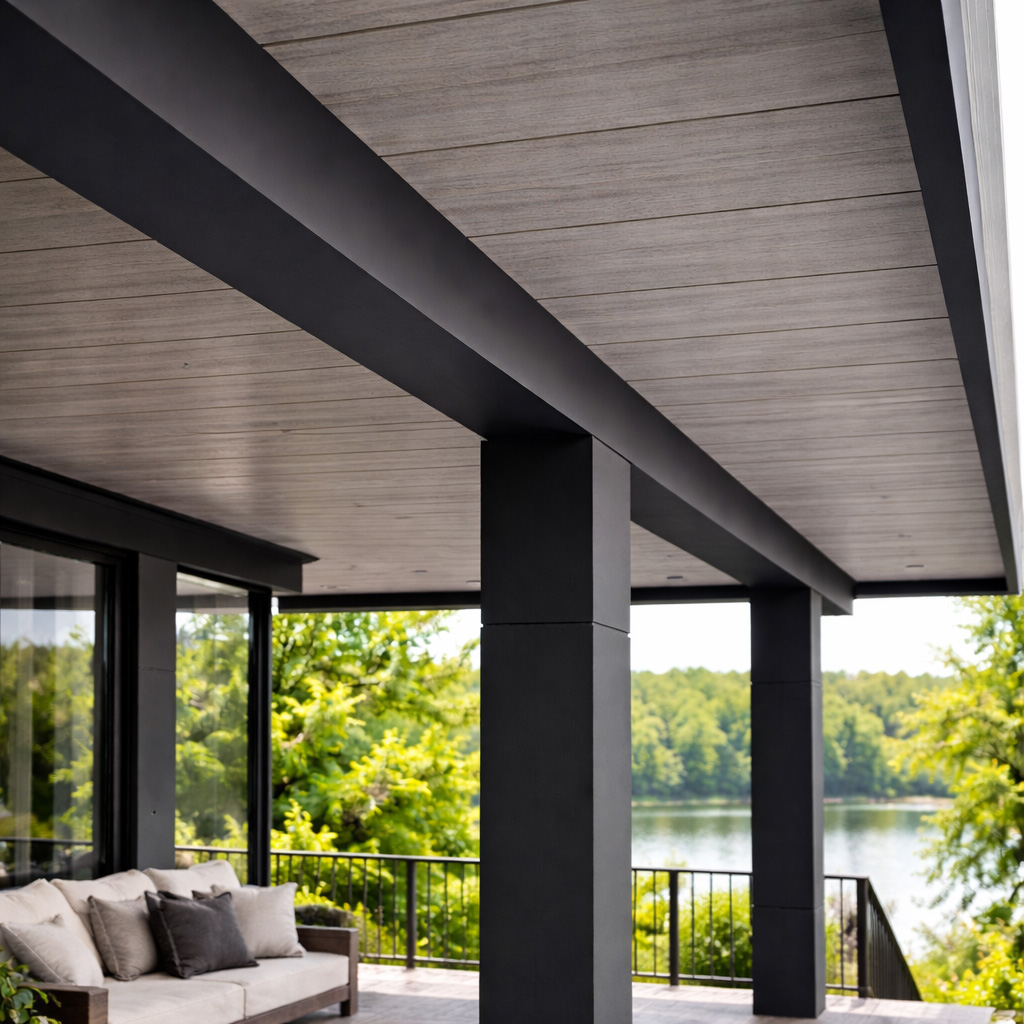
An elevated deck creates two outdoor spaces: the deck you stand on and the area beneath it. But when rain passes through the gaps between deck boards, the space below can become too wet for comfortable seating, storage, or a finished patio. An under-deck drainage system collects that water and directs it away from the […]
Can an Under-Deck Ceiling Trap Moisture?
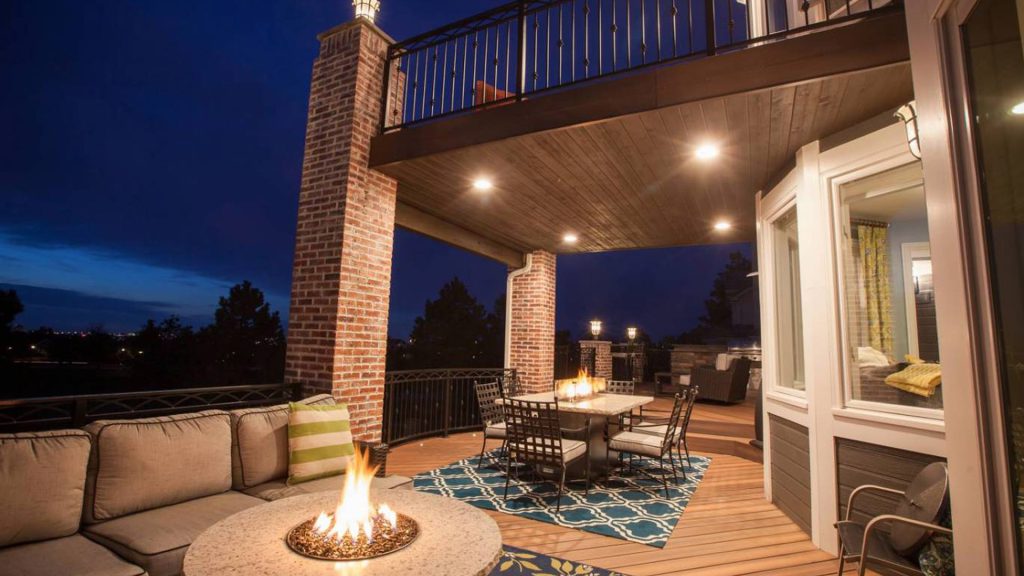
An under-deck ceiling can contribute to a moisture problem if water gets into the space above it and cannot drain or dry adequately. But the presence of a ceiling does not automatically mean the deck will develop rot or mold. The outcome depends on the full assembly: where rain travels, how it leaves the deck, […]
Under-Deck Drainage System Buying Guide: How to Choose the Right System
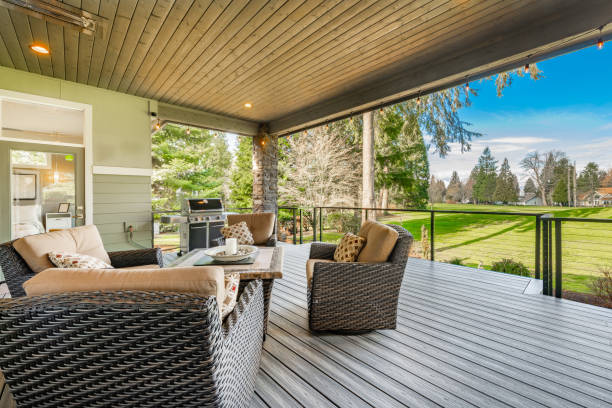
An under-deck drainage system can make the space beneath an elevated deck more useful by collecting rain that passes through the deck boards and directing it away. But systems differ in how they are installed, what happens to water around the framing, and what the finished space looks like. The best choice begins with your […]
Why Ventilation Matters Under an Elevated Deck
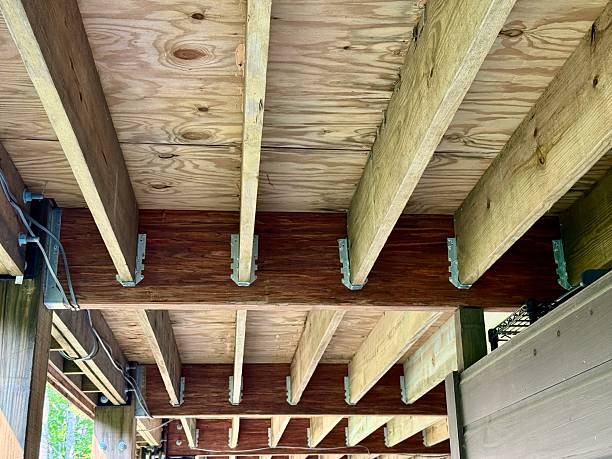
An elevated deck creates a sheltered space beneath it, but shelter does not eliminate moisture. Rain can pass through the gaps between deck boards, dampen the framing, and leave the joists wet after the storm has ended. Ventilation matters because air movement is one of the factors that helps wet wood dry. When you add […]
What Moisture Level Causes Wood Rot?
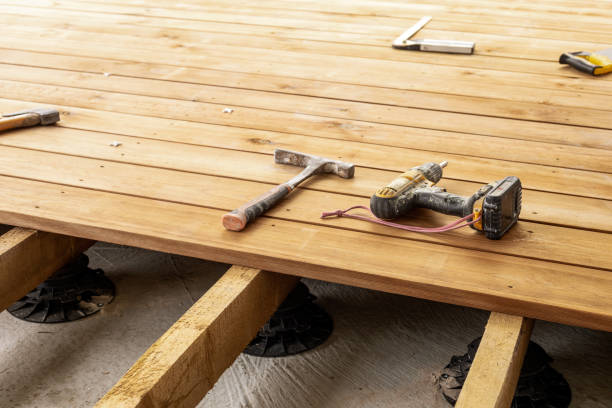
Wood moisture content above about 20% is a reason to investigate persistent wetness. Conditions around 30% and higher generally become more favorable for significant decay. However, wood does not start rotting the instant a meter crosses a particular number. Decay depends on moisture, temperature, time, and the presence of wood-decay fungi. For deck joists, the […]
What Humidity Does to Wood: How Moisture Affects Deck Joists
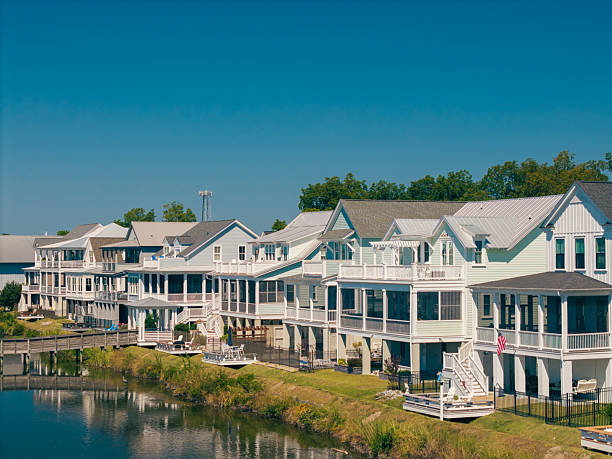
Rain is the most visible source of moisture around a deck, but wood also responds to water vapor in the air. Even when no rain is falling, changes in humidity can affect the moisture inside deck joists. Wood absorbs and releases moisture as surrounding conditions change. That movement can influence its dimensions, how quickly it […]
Wet Deck Joists: When Should You Be Concerned?
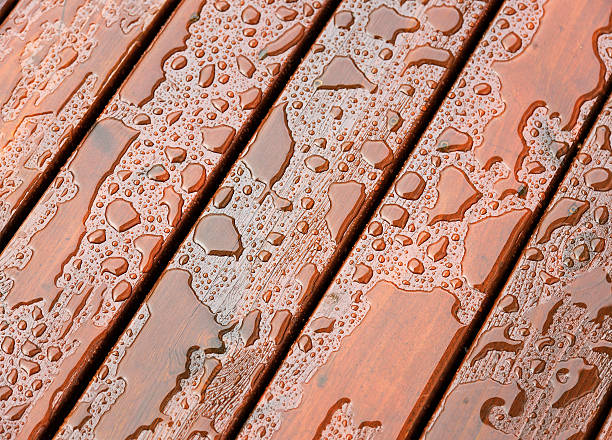
Wet deck joists are not automatically a sign of trouble. Most outdoor decks encounter rain, snowmelt, and changing humidity. Water can pass through the gaps between deck boards and reach the framing underneath. The bigger concern is wood that stays wet, gets repeatedly soaked in the same place, or shows signs of deterioration. Knowing what […]
Mold vs. Wood Rot: What’s Growing Under Your Deck?
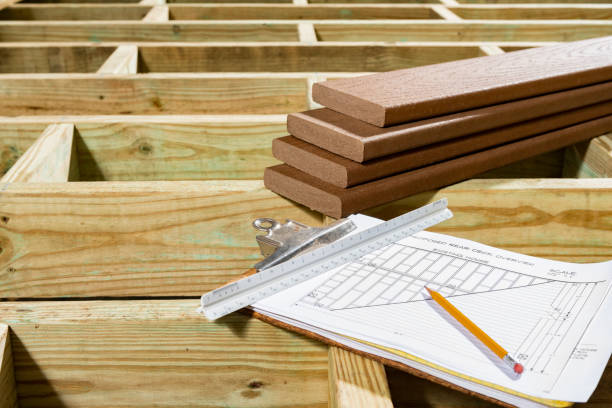
Finding dark spots or fuzzy growth on your deck joists can raise an immediate question: Is this mold, or is the wood starting to rot? Mold and wood rot are different problems, and discoloration alone cannot tell you whether your deck framing is structurally sound. Mold commonly affects the appearance of wood, while decay fungi […]
How to Ventilate the Space Between Deck Joists
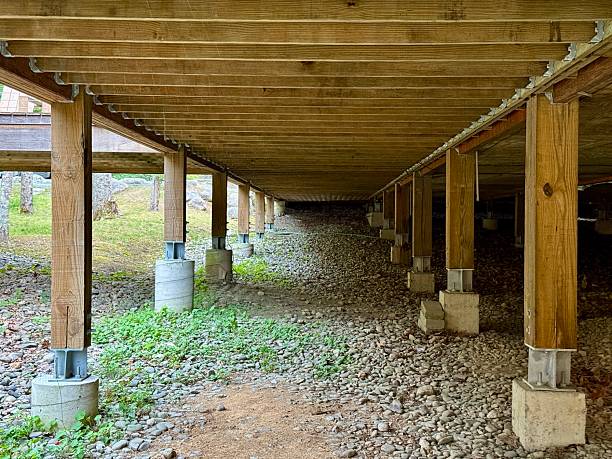
The space beneath an elevated deck can become a comfortable outdoor room, complete with a finished ceiling, lighting, and seating. As you plan those improvements, it is worth asking what happens to the wood framing above the ceiling. Ventilating the space between deck joists means providing a path for air to reach the framing and […]